What They’ll Actually Ask You at the Citizenship Test
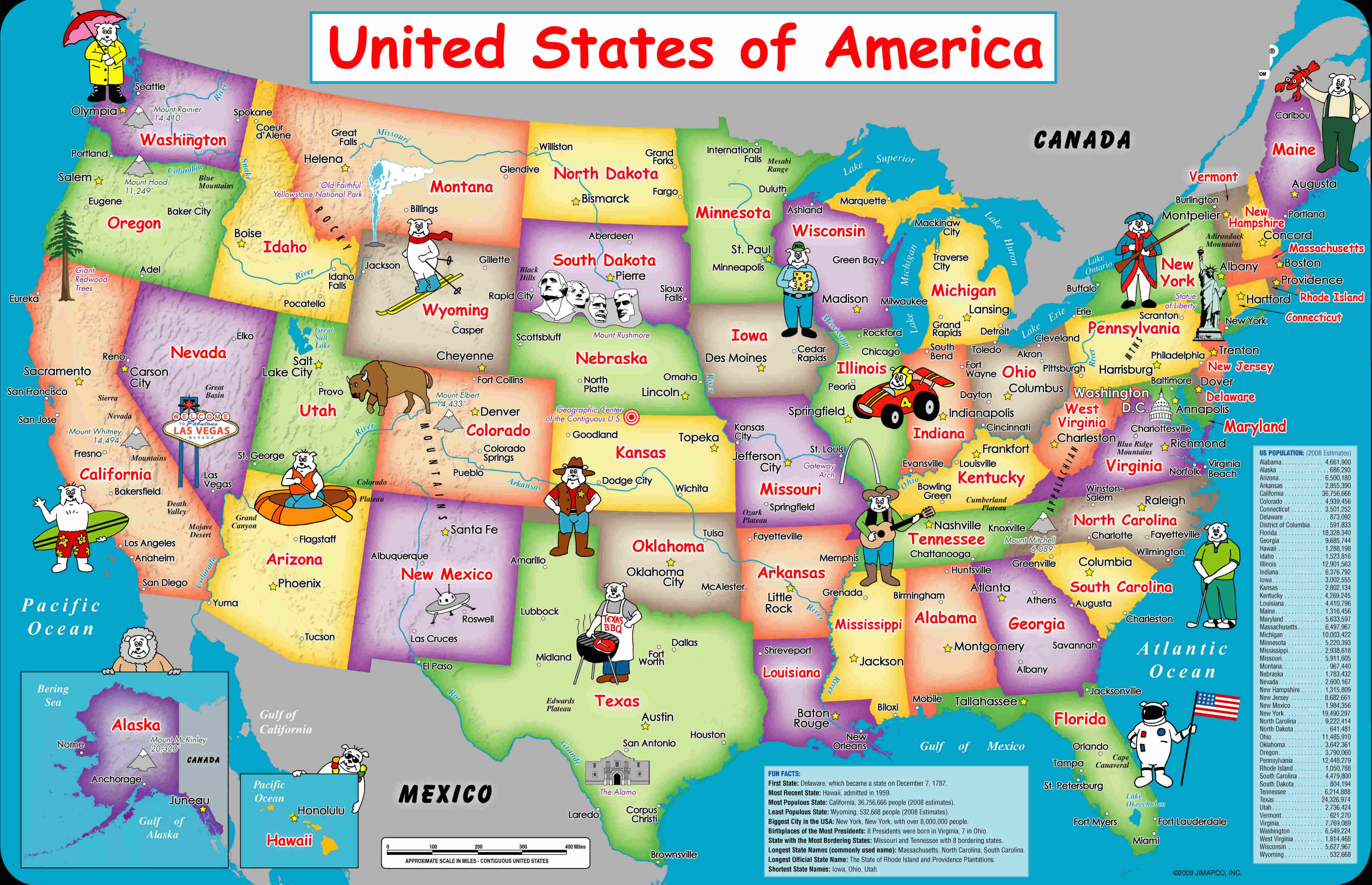
You have filled out the N-400, paid the fee, and now one thing stands between you and a passport: a quiet room, a desk, and an officer asking who wrote the Declaration of Independence. Here is the good news that almost nobody tells you up front — the civics test is not a trivia ambush. Every question comes from a list USCIS publishes, and the list is short enough to learn over a few weeks of coffee breaks. Here is what is actually on it, how the test works right now, and how to walk in calm.
How the Civics Test Works Right Now
Two versions of the test are in circulation, and which one you get depends on the date USCIS received your application. Applications postmarked on or after October 20, 2025 get the 2025 civics test: 128 questions, of which the officer asks 20 and you need 12 correct. Applications filed before that date get the 2008 test: 100 questions, the officer asks up to 10, and you need 6 correct.
The officer stops asking as soon as you hit the pass mark. If your first six answers roll out clean, you are done. If you fall short, you get a second shot — a retest usually scheduled within 60 to 90 days of your original interview. You only retake the portion you failed, not the whole thing.
- Every civics question comes from a published USCIS list. Nothing is a surprise.
- The 2008 test asks 10 questions and needs 6 correct; the 2025 test asks 20 and needs 12.
- Answers about current officials, your governor, and the Speaker of the House change. Verify them the week of your interview.
- You get two attempts. A retest is typically scheduled 60 to 90 days later.
| What | 2008 Civics Test | 2025 Civics Test |
|---|---|---|
| Who takes it | Filed before Oct 20, 2025 | Filed on or after Oct 20, 2025 |
| Question bank | 100 questions | 128 questions |
| Asked out loud | Up to 10 | Up to 20 |
| Correct to pass | 6 | 12 |
| Where you fail | 5 wrong answers | 9 wrong answers |
Where the Questions Come From: Three Buckets
The official list is organized into American Government, American History, and Integrated Civics. Understanding the buckets helps, because the government questions follow a logic you can reason through instead of memorizing cold.
American Government — the biggest bucket
Principles of democracy, the structure of government, and the rights and responsibilities of citizenship. Roughly two-thirds of the list lives here. A few of the ones people hear most often:
- What is the supreme law of the land? The Constitution.
- What do we call the first ten amendments? The Bill of Rights.
- Name one branch or part of the government. Congress (legislative), the President (executive), or the courts (judicial).
- What stops one branch from becoming too powerful? Checks and balances, or separation of powers.
- How many U.S. Senators are there? One hundred.
- We elect a U.S. Representative for how many years? Two.
- If both the President and the Vice President can no longer serve, who becomes President? The Speaker of the House.
- How many justices sit on the Supreme Court? Nine.
- What is one responsibility that is only for U.S. citizens? Serving on a jury, or voting in a federal election.
- When is the last day you can send in federal income tax forms? April 15.
American History — from the colonies to 2001
Dates here are worth learning properly, because a few of them anchor the whole story.
- Who wrote the Declaration of Independence? Thomas Jefferson.
- When was the Declaration adopted? July 4, 1776.
- When was the Constitution written? 1787.
- Who is the Father of Our Country? George Washington.
- What territory did the United States buy from France in 1803? Louisiana.
- Name the U.S. war between the North and the South. The Civil War.
- What did the Emancipation Proclamation do? It freed the slaves.
- Who was President during the Great Depression and World War II? Franklin Roosevelt.
- What did Martin Luther King, Jr. do? He fought for civil rights and worked for equality for all Americans.
- What major event happened on September 11, 2001? Terrorists attacked the United States.
Integrated Civics — the free points
Geography, symbols, and holidays. Fifteen minutes with this section can cover a meaningful chunk of the test, so do not skip it while obsessing over the Constitution.
- What ocean is on the West Coast? The Pacific.
- Name one state that borders Mexico. California, Arizona, New Mexico, or Texas.
- Why does the flag have 13 stripes? Because there were 13 original colonies.
- Why does the flag have 50 stars? One star for each state.
- What is the name of the national anthem? The Star-Spangled Banner.
- Name two national U.S. holidays. Thanksgiving and Independence Day, for example.
The Answers That Rot
Some answers cannot be memorized once and forgotten, because elections rewrite them. Who is President now. Who is Vice President. Who is Speaker of the House. Who is your state’s governor. What is the capital of your state. Which party does the President belong to. Officers mark these wrong even if you studied hard last spring, so re-check them the week of your interview against the current USCIS study materials.
One reassurance: the officer is not testing your politics, and you are not asked to approve of anyone. Just say the name. If a name slips, the officer simply moves on. A single miss almost never decides a pass.