US Citizenship: Who Actually Qualifies
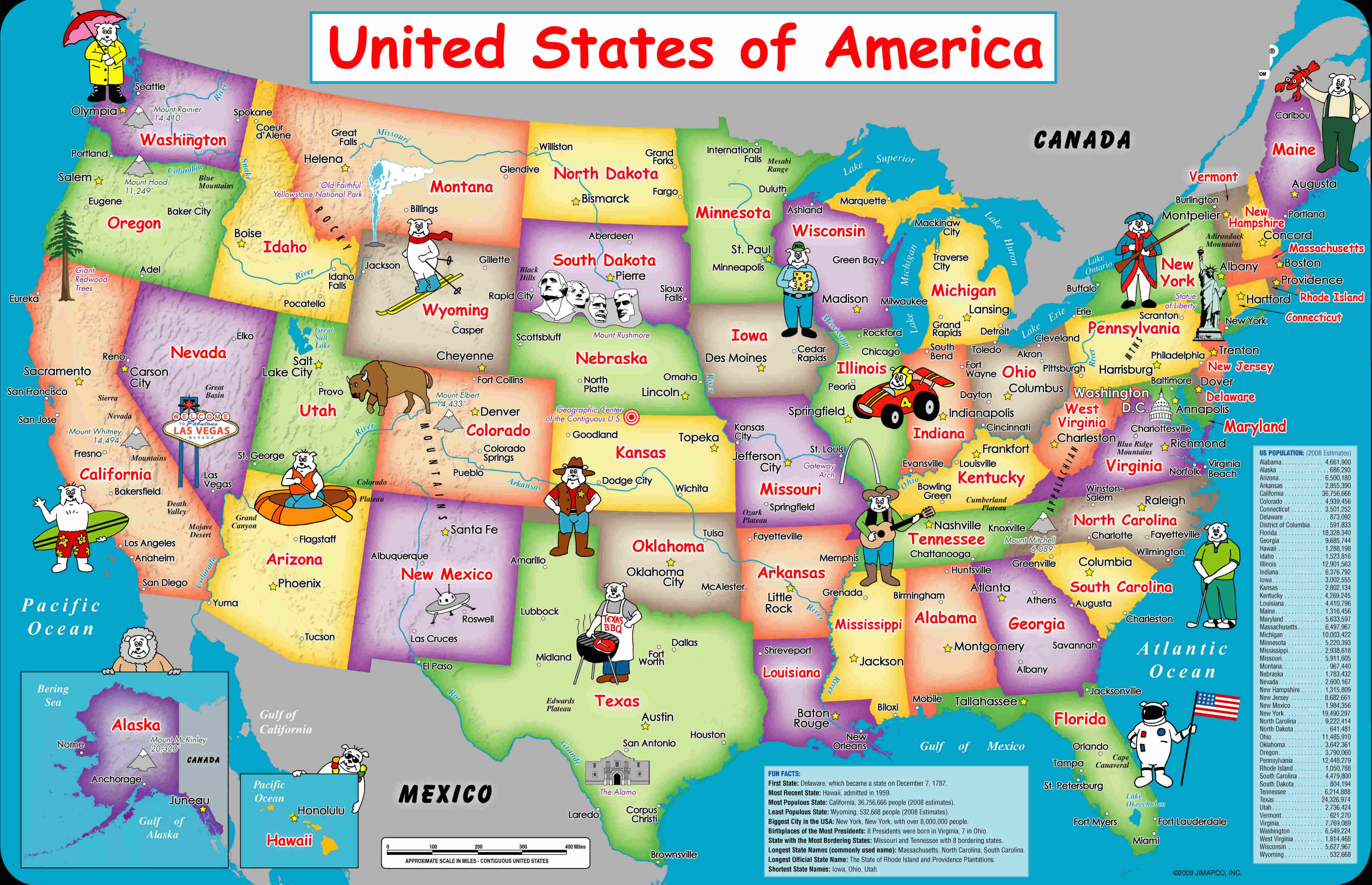
Here is the part that trips people up from day one: there is no single checklist for US citizenship. There are about five of them, and which list applies to you depends on something you had no say in — where you were born and how you arrived. A baby born in a Dallas hospital and a green card holder who has lived in Ohio for six years are chasing the same blue passport, but they are walking completely different paths to get it.
So let us skip the vague stuff. Below is what actually decides eligibility, the numbers that matter, and the handful of situations where the rules quietly bend in your favour.
- Being born on US soil (or in a US territory) makes you a citizen automatically — no application, no test, no fee.
- Green card holders usually need five years as a permanent resident before applying, or three if married to a US citizen.
- Physical presence and continuous residence are two separate requirements, and people fail on the second one constantly.
- The English test disappears at 50/20 and 55/15; the civics test gets easier at 65/20.
- Good moral character covers more than crime — unpaid taxes and skipped Selective Service registration count too.
Born on US Soil? You Are Already In
The 14th Amendment settled this in 1868 and nobody has seriously unsettled it since. If you were born in one of the fifty states, the District of Columbia, Puerto Rico, Guam, the US Virgin Islands, or the Northern Mariana Islands, you are a US citizen. Full stop. You can apply for a passport the same week you get your birth certificate.
There is exactly one famous exception, and it is narrower than the internet makes it sound: children born to foreign diplomats with full immunity, who are in the country on official business. Tourists, students, undocumented parents — none of that changes the outcome for the child. American Samoa works differently and grants nationality rather than citizenship at birth.
Born Abroad With an American Parent
This is where it gets arithmetic-heavy, and where a lot of families discover a problem twenty years too late. If you were born outside the US and at least one parent was a US citizen, you may have acquired citizenship at birth — but only if that parent spent enough time in the United States before you arrived.
For a child born in wedlock to one citizen parent and one foreign parent, the citizen parent generally needs five years of physical presence in the US, at least two of them after turning fourteen. Both parents citizens? Much easier. Unwed parents have their own rules that depend on whether the citizen is the mother or the father, and the father’s side carries extra requirements. This is genuinely the one area where guessing is a terrible idea.
There is also the Child Citizenship Act of 2000. If you were under eighteen, had a green card, and were living in the legal and physical custody of a US citizen parent, you became a citizen automatically — often without anyone telling you. Plenty of adults are walking around as citizens who never got a certificate to prove it.
The Green Card Route: Seven Boxes to Tick
Naturalization is the path most people mean when they talk about citizenship eligibility, and it comes with a stack of conditions that all have to be true at the same time.
Age and Status
You must be at least eighteen and you must be a lawful permanent resident. There is no shortcut for a visa holder, a DACA recipient, or someone with a pending green card application. The green card has to be in hand, and any conditional status usually has to be resolved first.
The Clock: Five Years, or Three
Standard applicants need five years as a permanent resident immediately before filing. If you are married to a US citizen, have lived together the whole time, and your spouse has been a citizen for those three years, the clock drops to three years. That is the single biggest time-saver available, and it comes with a catch: if you separate or divorce mid-process, you may have to wait out the full five years instead.
Physical Presence Is Not Continuous Residence
These sound like the same thing. They are not, and confusing them is the most common self-inflicted wound in this whole process.
Continuous residence means you have kept your actual home in the US and have not abandoned it. Physical presence means you have literally been standing on American ground for at least half the required period — thirty months out of five years, or eighteen out of three. A single trip of six months or longer can break continuous residence. A trip of a year or more almost always does, unless you had a reentry permit. Long-haul work assignments, family emergencies abroad, and back-to-back cruises all get scrutinised.
Good Moral Character, Explained Plainly
This one is fuzzier than the rest, and it covers the five years before filing (three, in marriage cases). Convictions for aggravated felonies are a permanent bar. Most drug offences are brutal here, with narrow exceptions for a single small possession charge. But it is not only about crime. Lying to get immigration benefits, failing to file or pay taxes, and not registering with Selective Service between eighteen and twenty-six can all sink an otherwise perfect application.
Nuance matters enormously. One old misdemeanour is often survivable; a pattern, or anything involving an attempt to hide it, usually is not. Never omit an arrest thinking it is too small to matter. USCIS finds these, and the omission itself becomes the disqualifier.
English and Civics
You need to read, write, and speak basic English, and answer questions about US history and government. The civics pool is a hundred questions, they ask up to ten, and you need six correct. The English portion is one sentence read aloud and one written down. It is genuinely modest — but you do have to actually prepare.
When the Rules Loosen In Your Favour
Congress built in several age and service exemptions, and plenty of eligible people never realise they qualify.
| Exception | Who qualifies | What it gives you |
|---|---|---|
| 50/20 | Age 50+, twenty years as a permanent resident | No English test; civics in your own language with an interpreter |
| 55/15 | Age 55+, fifteen years as a permanent resident | Same relief as 50/20 |
| 65/20 | Age 65+, twenty years as a permanent resident | No English test, plus a shortened civics list of twenty questions |
| Military | One year of honourable peacetime service, or any service during designated hostilities | Faster processing and, in wartime, immediate filing with no waiting period |
One thing worth flagging: the 50/20 and 55/15 exemptions kill the English test but not the civics requirement. You still need a working interpreter in the room, and you still need six right answers.
Your N-400, Start to Finish
The paperwork is not the hard part. Timing is. Once you file Form N-400, you will get a biometrics appointment, then an interview where an officer reviews your file, runs the English and civics tests, and makes a decision the same day in most cases. Pass, and you go to an oath ceremony, hand back your green card, and walk out with a Certificate of Naturalization.
Filing fees sit in the several-hundred-dollar range and have changed more than once in recent years, so check the current schedule before you budget. A reduced-fee option exists for lower-income applicants, and fee waivers are available in some cases. Processing times vary wildly by field office — some run six months, others push past a year.
The one thing you cannot do until your ceremony is over: vote. Not in a local election, not in a school board race. Registering too early is a serious problem.
If You Do Not Qualify Yet
Do not file and hope. A denied N-400 costs you the fee, the wait, and sometimes your green card if the officer uncovers something in the file you would rather they had not seen. If you are short on physical presence, sit tight and rebuild the clock. If you have an old criminal record, talk to an immigration attorney before you submit anything. If your case is a borderline citizenship-by-descent question, a records search through old passports, school transcripts, and employment history can often settle it.
The rules are strict, but they are knowable. Almost everyone who gets denied could have predicted it months earlier with better counting.
Frequently Asked Questions (FAQ)
Do I have to give up my home country's citizenship to become a US citizen?
Not as far as the United States is concerned. The US allows dual citizenship and does not require you to formally renounce your other nationality, even though the oath mentions renouncing allegiance. Whether your home country permits you to hold both is a separate question — some do, some automatically strip your citizenship when you naturalise elsewhere. Check with that country's consulate before your ceremony.
How long does it take to get US citizenship once I file?
Most N-400 applications finish somewhere between six and twelve months from filing, though busy field offices can run longer. Add the green card waiting period on top of that, since the five-year clock only starts once you become a permanent resident. You can look up current processing times for your specific USCIS office before you file.